What to Look for in a Jamestown Tiny Home Builder for Professional Tiny Home Construction
What to Look for in a Jamestown Tiny Home Builder for Professional Tiny Home Construction
Blog Article
Reliable Home Builder: Creating Your Dream Home
Enlisting a trusted home builder is a pivotal step in transforming a vision into a tangible reality. This choice can substantially influence the construction process and overall satisfaction. Vital characteristics such as interpersonal communication, industry expertise, and a solid standing are imperative. Understanding these particulars can lead to a more effortless experience. Nonetheless, many property buyers disregard critical aspects that can impact their undertaking. What ought they review before deciding this important determination?
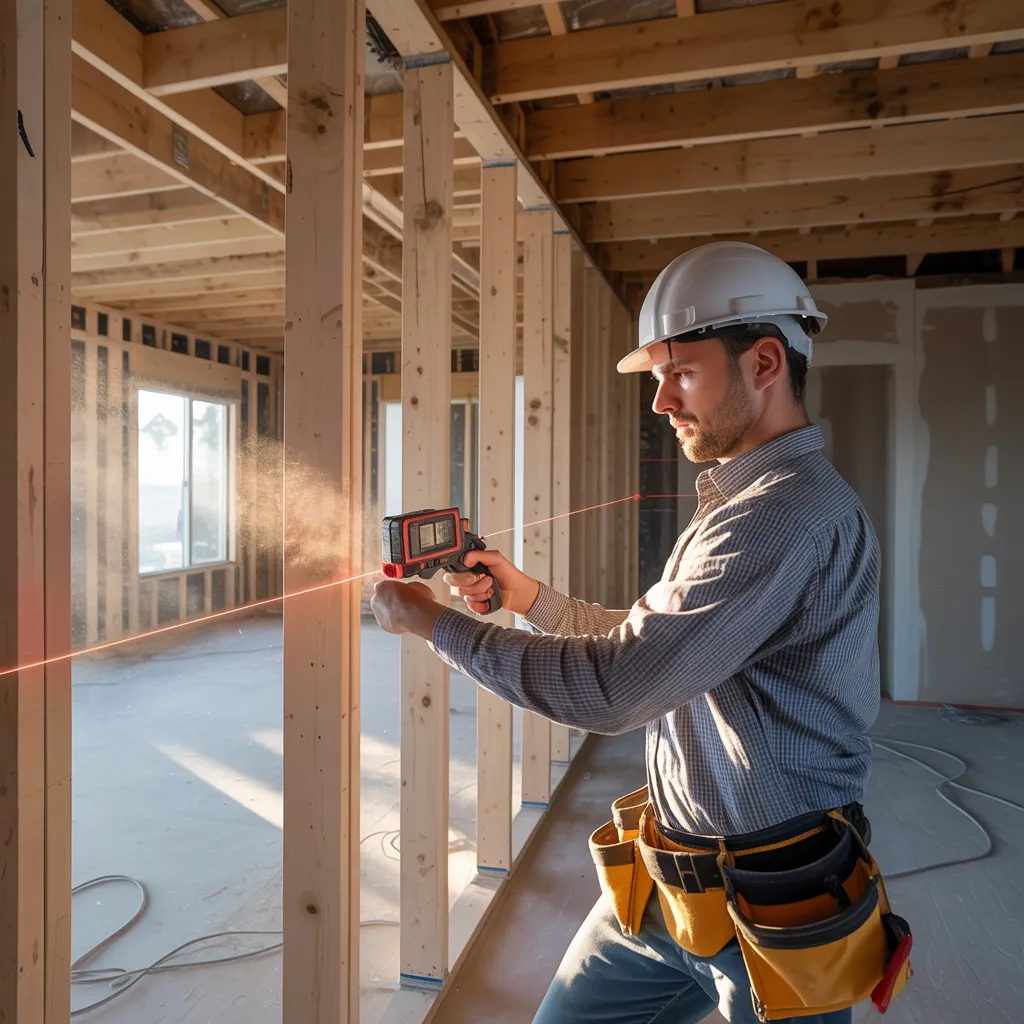
Important Traits of a Credible Home Builder
When assessing a home builder, the foundation of a productive collaboration centers on their key attributes. A reliable home builder shows excellent communication abilities, maintaining transparency during the building timeline. They must have comprehensive industry knowledge, which enables them to surmount difficulties and produce excellent results. Careful consideration is yet another vital characteristic; it shows their commitment to quality workmanship and respect for building codes.
Additionally, a reputable builder should develop a solid reputation, reinforced by positive assessments and client references. This credibility is generally formed on trustworthiness and responsibility in meeting deadlines and spending constraints. Responsiveness is also a critical factor, as a builder should be open to customer remarks and inclined to modify plans as called for. Ultimately, these qualities function together to build a collaborative setting, indispensable for making a client's vision a working reality.
Perks of Choosing the Best Developer for Your Dream Home
Determining the right construction professional greatly enhances the home building process, translating visions into tangible results. A skilled builder not only brings professionalism and expertise but also ensures adherence to schedules and financial constraints. This reliability fosters peace of mind for homeowners, knowing their investment is in trustworthy hands.
In addition, a reputable builder often cultivates deep connections with material sources and specialized contractors, leading to excellent materials and workmanship. This can result in a more robust and energy-efficient home, ultimately curtailing long-term ongoing maintenance expenses.
In addition, the right builder presents important guidance during the conceptual stage, adjusting the home to accommodate specific needs and preferences. Their understanding of municipal rules and building codes can facilitate the permitting process, limiting setbacks.
Ultimately, choosing the right contractor lays a strong base for a productive endeavor, increasing satisfaction and guaranteeing that the dream home becomes a tangible result.
What Awaits During Your Home Building Experience?
What might homeowners encounter during the building venture? The process kicks off with an preliminary discussion, where homeowners present their aspirations and financial parameters with the builder. This stage often incorporates location selection and securing essential approvals, which can take time and demand patience.
Once planning is started, the construction phase begins, covering groundwork, framing, and installation of utilities. Homeowners should be ready for regular updates and on-site visits to monitor progress. Challenges may arise, like weather-related delays or shortages of materials, which are usual in the building workflow.
As the project reaches its end, homeowners will join in final inspections, validating everything meets their expectations. This passage culminates in the wonderful moment of getting the keys to their new home. Throughout this process, effective communication with the builder is important to work through challenges and confirm that the final result reflects the homeowner's vision.
Key Topics to Examine Your Home Builder
When selecting a home builder, it's important to evaluate their qualifications and background to ensure they have a proven track record. Furthermore, evaluating their responsiveness and communication skills can offer understanding of how effectively they will oversee the construction process. Asking the appropriate inquiries can help potential home buyers make informed decisions.
Skills and Credentials
As prospective home buyers begin on the journey of constructing their dream home, understanding a contractor's qualifications and background becomes crucial. Assessing a contractor's track record is vital; years in the industry often indicate dependability and skill. Homeowners should inquire about completed projects, emphasizing quality and design that align with their vision. Certifications and licenses further validate a builder's professionalism and adherence to industry standards. Additionally, looking into affiliations with trade associations can provide insights into the contractor's dedication to continuous learning and quality standards. Homeowners should also obtain testimonials from previous customers to measure contentment and results. Ultimately, appraising qualifications and background establishes a solid basis for a productive construction relationship.
Engagement and Responsiveness
The way a builder interacts effectively can significantly affect the home-building experience. Prospective homeowners should assess a builder’s responsiveness during the initial inquiries. Consider the following questions: How quickly does the builder return calls or emails? Are they willing to meet in person to discuss project details? Clear communication helps build trust and also ensures that expectations are aligned. Also, ask about how updates are provided during the construction process. Will homeowners be given frequent progress reports? Is there a process established for addressing concerns? A builder’s willingness to engage openly and consistently can show their commitment to customer satisfaction. At the end of the day, clear communication and responsiveness are crucial for a seamless and successful home-building journey.
Tips for Evaluating Home Builder Testimonials
What considerations should one consider when examining home builder feedback? First, it is critical to examine the source of the reviews. Trusted websites or sites with authenticated user experiences establish legitimacy to the remarks. Next, potential homeowners should detect consistencies in the reviews. Repeated observations regarding quality, communication, and delivery speed can deliver understanding into the builder's dependability.
Furthermore, distinguishing personal viewpoints from factual information is vital. Remarks about individual encounters may vary widely, but specific details about workmanship or project finishing can offer valuable information.
Additionally, the timing of the reviews plays a role; recent feedback often depicts a builder's current work quality and standards. Finally, analyze the overall rating paired with individual reviews, as a high average may signal a generally good standing despite a few negative experiences. By thoughtfully evaluating these factors, one can make a more prudent choice when deciding on a home builder.
Suggestions for Nurturing a Enduring Relationship With Your Builder
Building a strong relationship with a home builder requires effective communication and clear expectations. Having open channels for dialogue enables both parties to articulate concerns and updates throughout the construction process. Also, establishing particular expectations from the start cultivates a collaborative environment, elevating overall project satisfaction.
Build Open Exchange Routes
Effective communication acts as the cornerstone of a effective relationship between homeowners and builders. Setting up clear learn the facts communication channels builds transparency and trust throughout the construction process. Homeowners should focus on regular check-ins, using various methods such as emails, phone calls, or in-person meetings to guarantee that concerns are addressed quickly. Builders, in turn, should provide updates on project progress and any potential challenges, encouraging a two-way dialogue. This proactive approach helps to lessen misunderstandings and promotes a collaborative atmosphere. Additionally, homeowners should feel comfortable voicing questions or suggestions, while builders should remain attentive and responsive. By nurturing these open lines of communication, both parties can work together effectively, ultimately leading to a more satisfying home-building experience.
Establish Transparent Expectations
When homeowners and builders convey clear expectations from the beginning, the basis for a strong relationship is formed. This transparency helps both parties understand project timelines, budget constraints, and design preferences, reducing misunderstandings. Homeowners should articulate their vision and priorities, while builders must communicate feasibility and potential challenges. Frequent meetings throughout the project guarantee that any adjustments are made jointly. Establishing a comprehensive agreement that outlines duties, deadlines, and billing arrangements further strengthens this understanding. By emphasizing transparency, both homeowners and builders can foster confidence and responsibility. Ultimately, establishing transparent guidelines not only enhances dialogue but also supports an smoother building project, resulting in the fulfillment of the homeowner's dream home concept.
Commonly Posed Questions
How long Does the Home Building Process Typically Require?
Home construction processes generally take six to twelve months, based on elements including complexity of design, permitting, and climatic factors. Each undertaking varies, affecting overall schedules and project completion substantially.
What Loan Options Are Provided for Home Construction?
Various loan options for home construction comprise conventional loans, FHA loans, construction-to-permanent loans, and personal loans. Each option provides distinctive terms and guidelines, permitting individuals to select based on their financial position and project requirements.
Can I Updating Plans While the Building Phase?
Yes, changes can commonly be made during the construction period. However, the extent and feasibility are contingent on the project phase, monetary consequences, and the builder's standards, requiring clear communication between the homeowner and the builder.
What Coverage Do Builders Generally Include After Completion?
Builders commonly offer warranties addressing structural defects, workmanship, and materials for a specified duration, often ranging from one to ten years. These protection plans guarantee safeguard against potential issues that may surface post-completion of the construction.
How Do Contractors Communicate Homeowners About Schedule Disruptions?
Construction setbacks are usually shared to homeowners through periodic updates via email or phone calls. Contractors may additionally present written notices explaining the causes of the delay, projected completion dates, and measures being undertaken to address these issues.
Report this page